
Cracked or Chipped Tooth
Learn the signs and causes of a cracked or chipped tooth, why some cracks are hard to detect, and treatment options to help repair and protect the tooth.
Quick Links
At a Glance:
|
What it is |
Damage to the tooth structure, ranging from a small piece breaking away (chip) to a fracture line that can extend deeper into the tooth (crack) |
|
Types of cracks |
Craze lines, fractured cusp, cracked tooth, split tooth and vertical root fracture |
|
Common symptoms |
A sharp or rough edge, pain when biting or releasing a bite, sensitivity to hot or cold, or pain that comes and goes |
|
Possible causes |
Biting hard foods or objects, falls or sporting injuries, teeth grinding or clenching, large fillings and wear over time |
|
How it is assessed |
Dental examination under magnification, bite and sensitivity tests, transillumination and dental X-rays |
|
Treatment options |
Smoothing, bonding, fillings, veneers, onlays, crowns, root canal treatment or extraction, depending on the extent of damage |
|
Can it heal on its own? |
No. A cracked tooth cannot repair itself, though some superficial cracks remain stable and need little or no treatment |
What is a cracked or chipped tooth?
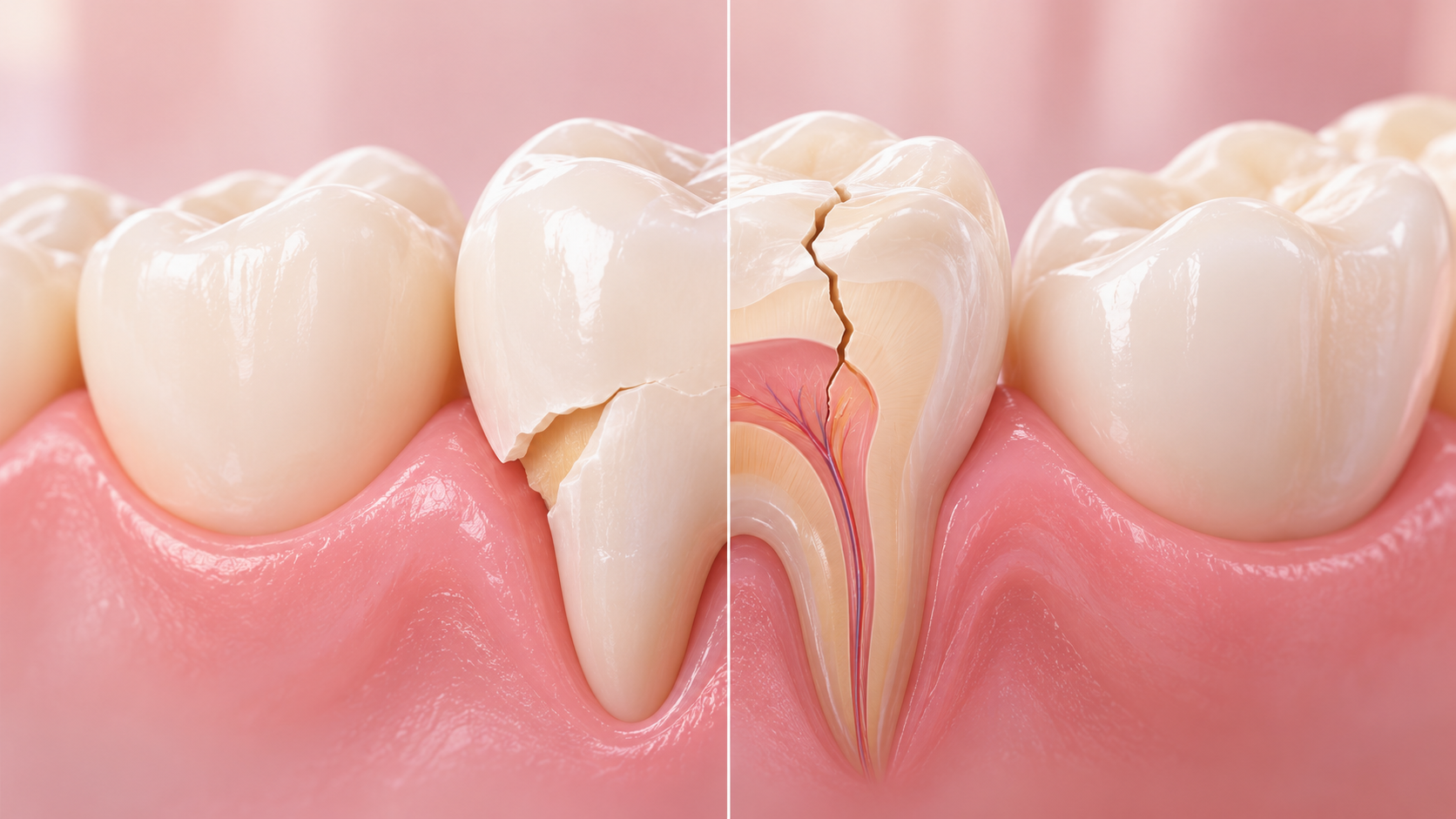
A cracked or chipped tooth can occur when you bite down on something hard, experience an injury or place repeated pressure on a weakened tooth. While a chip involves a piece of the tooth breaking away, a crack can extend beneath the surface and affect the deeper structures of the tooth.
Not all cracks are visible or immediately painful. Some cause intermittent sensitivity or discomfort when chewing, making them difficult to identify without a dental examination.
Fortunately, many cracked or chipped teeth can be treated and preserved. The appropriate treatment depends on the extent of the damage, which can range from a minor repair to a dental crown or root canal treatment.
What’s the difference between a cracked and chipped tooth?
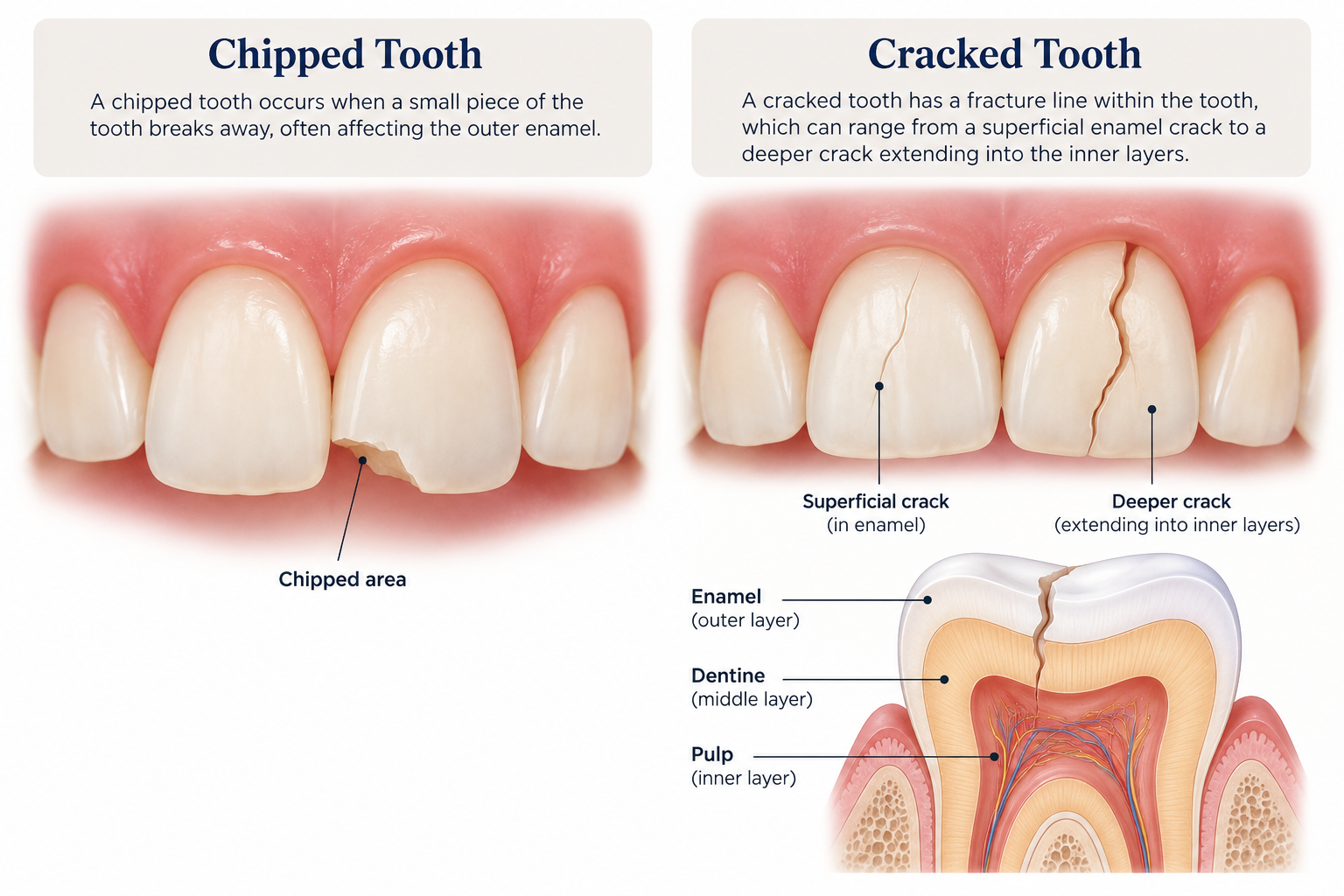
Although the terms are sometimes used interchangeably, a chipped tooth and a cracked tooth involve different types of damage. A chipped tooth occurs when a piece of the tooth breaks away, while a cracked tooth develops a fracture line that can extend into its deeper structures.
|
Chipped tooth |
Cracked tooth |
|
|
What happens |
A small piece breaks away from the tooth, usually from the outer enamel |
A fracture line forms within the tooth and can extend towards the pulp or root |
|
How it looks |
Often visible as a missing piece, rough edge or change in shape |
Can be visible as a fine line, or completely hidden |
|
Common symptoms |
A sharp edge against the tongue or cheek; sometimes sensitivity if the inner layer (dentine) is exposed |
Pain when biting or releasing a bite, sensitivity to hot or cold, or pain that comes and goes |
|
How it can be treated |
Usually smoothing, bonding, a filling or a veneer |
Depends on the type and depth of the crack, ranging from monitoring to a crown, root canal treatment or extraction |
Whether a tooth is chipped or cracked, the extent of the damage determines the appropriate treatment. Your dentist will assess how much healthy tooth structure remains and whether the pulp or root has been affected.
What are the types of cracked teeth?
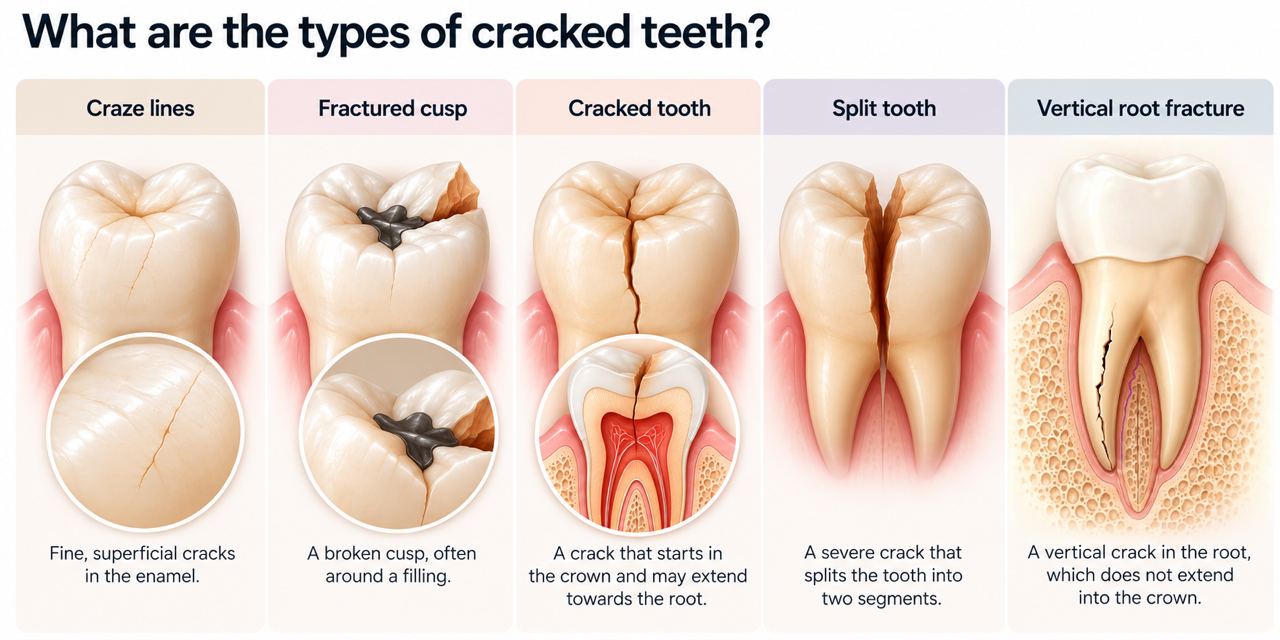
Not all tooth cracks are the same. Some affect only the outer enamel, while others extend deeper into the tooth and compromise its structure. Dentists generally classify tooth cracks into five types based on their location and extent.
|
Type of crack |
What it involves |
|
Craze lines |
Very fine, shallow lines in the outer enamel. These are common in adult teeth and usually cause no pain. |
|
Fractured cusp |
A piece of the chewing surface (cusp) breaks off, often around a large filling. The pulp is rarely affected, but biting can be uncomfortable. |
|
Cracked tooth |
A crack runs from the chewing surface down towards the root. It can extend into the pulp and can worsen over time if left untreated. |
|
Split tooth |
A cracked tooth that has progressed until it separates into distinct segments. |
|
Vertical root fracture |
A crack that begins in the root and extends upwards, often in teeth that have had root canal treatment. It can cause few symptoms until the surrounding gum or bone becomes infected. |
What can cause a tooth to crack or chip?
A tooth can crack or chip when it is subjected to more pressure than it can withstand. This can happen suddenly, such as when biting down on something hard, or develop gradually from repeated stress on the tooth.
Common causes and contributing factors include:
- Biting hard foods or objects — Unusual dietary habits, such as chewing ice, hard candies, or unpopped popcorn kernels, can put excessive pressure on a tooth, causing it to chip or fracture.
- Falls, accidents or sporting injuries — A direct impact to the mouth can damage one or more teeth, ranging from a small enamel chip to a deeper fracture.
- Teeth grinding or clenching — Also known as bruxism, repeated grinding or clenching places additional stress on the teeth, increasing their susceptibility to cracks over time.
- Large fillings or restorations — Teeth with large fillings have less natural tooth structure remaining, which can make them more vulnerable to fractures under biting pressure.
- Gradual wear and tear — Years of chewing and everyday use can wear down teeth, making cracks more likely to develop over time.
Even healthy teeth can crack or chip following an accident or an unexpectedly forceful bite. However, teeth that are worn, heavily restored or subjected to repeated stress can be more susceptible to damage.
What are the signs of a cracked or chipped tooth?
The symptoms of a cracked or chipped tooth depend on the location and extent of the damage. While a chipped tooth is often visible, a crack can be difficult to detect, especially when it develops beneath the tooth’s surface.
Common signs to look out for include:
- Visible damage — A missing piece of tooth, fine fracture line or noticeable change in tooth shape.
- Rough or sharp edges — A chipped tooth may feel jagged against your tongue or cheek.
- Pain when biting or chewing — Discomfort when applying pressure to the affected tooth, especially when eating harder foods.
- Pain when releasing a bite — A sudden, sharp pain when you stop biting down, which is a characteristic symptom of some cracked teeth.
- Sensitivity to hot or cold — Discomfort when consuming hot or cold foods and drinks, which can sometimes linger.
- Intermittent toothache — Pain that comes and goes, sometimes without an obvious trigger.
Not all cracked teeth cause noticeable symptoms. If you experience recurring pain when chewing or unexplained tooth sensitivity, a dental examination can help identify whether a crack or another dental condition is responsible.
How is a cracked or chipped tooth diagnosed?
While chipped teeth are often easy to identify, cracks can be more difficult to detect, especially when they are very fine or hidden beneath an existing filling. Your dentist will assess the tooth, review your symptoms and perform diagnostic tests to determine the location and extent of the damage.
Your assessment may include:
- Review of your symptoms — Your dentist will ask about any pain, sensitivity or discomfort you experience, including when it occurs and whether you have recently injured your tooth.
- Clinical examination — The dentist will examine the affected tooth and surrounding gums for visible cracks, missing tooth structure or damaged restorations. Magnification and specialised lighting may help reveal cracks that are difficult to see.
- Bite testing — You may be asked to bite down on a small dental instrument to identify areas where pressure or its release triggers pain.
- Sensitivity testing — Cold testing and other assessments can help determine whether the dental pulp (the soft tissue containing nerves and blood vessels) has been affected.
- Dental X-rays — X-rays can reveal changes around the tooth roots and surrounding bone, although fine cracks are not always visible on conventional dental X-rays.
A cracked tooth may not always be identifiable through a single test. Your dentist will consider the examination findings alongside your symptoms to determine the most appropriate treatment.
How is a cracked or chipped tooth treated?
Treatment for a cracked or chipped tooth depends on the severity of the damage, its location and whether the dental pulp has been affected. Your dentist will assess how much healthy tooth structure remains before recommending a suitable treatment to restore and protect the tooth.
Treatment options include:
Smoothing and polishing
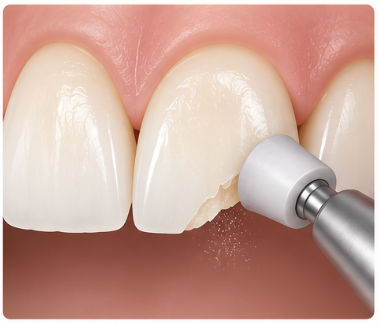
Minor chips that affect only the enamel may be smoothed or polished to remove sharp edges without requiring further restoration.
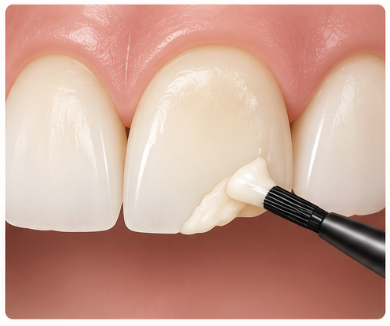
Dental bonding
Tooth-coloured composite resin can be applied to rebuild a chipped area, restoring the tooth’s shape and appearance.
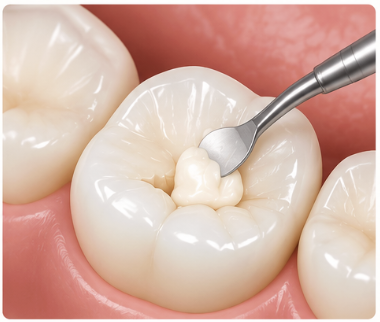
Dental fillings
Small fractures or areas of missing tooth structure may be repaired with a filling, provided the remaining tooth is sufficiently strong.
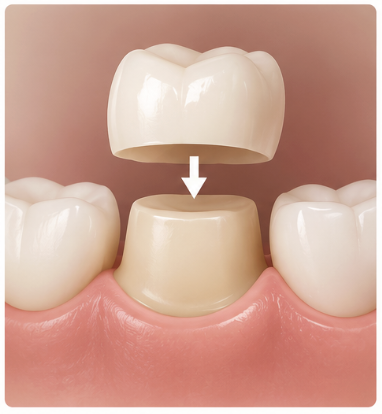
Dental crowns
A crown covers and protects a weakened tooth, helping to distribute biting forces and reduce the risk of further fracture.
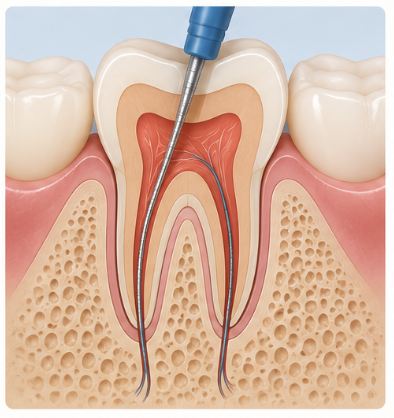
Root canal treatment
If a crack extends into the dental pulp and causes irreversible inflammation or infection, root canal treatment may be necessary to preserve the tooth. A protective restoration, often a crown, is usually required afterwards.
Tooth extraction
Teeth with extensive fractures, particularly those extending deeply below the gum line or involving a vertical root fracture, may not be salvageable and could require extraction.
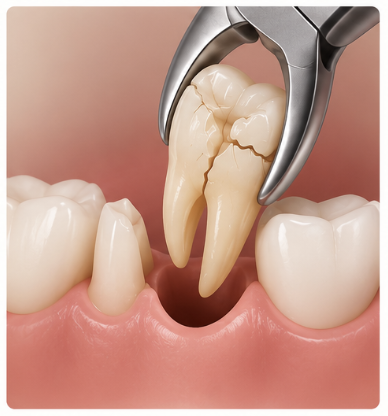
The goal is to preserve the natural tooth wherever possible while restoring its function. However, not every cracked tooth can be saved, and even a treated crack may continue to progress.
Can a cracked tooth heal on its own?
No, a cracked tooth cannot heal on its own. Unlike broken bones, tooth enamel and dentine cannot regenerate to repair a fracture. Even if the pain or sensitivity subsides, the crack itself will remain.
However, not all cracked teeth require treatment. Superficial craze lines that affect only the enamel are generally harmless and may only need monitoring. Deeper cracks, on the other hand, can worsen under continued biting pressure and may require treatment to protect the tooth.
A dental examination can help determine whether the crack is stable or requires intervention to prevent further damage.
What should I do if I have just chipped or cracked a tooth?
If you have chipped or cracked a tooth, taking a few precautions can help prevent further damage before your dental appointment. Even if the tooth is not painful, it is advisable to have it examined to determine the extent of the fracture.
In the meantime, you can:
- Rinse your mouth gently — Use clean, lukewarm water to remove any debris around the affected tooth.
- Keep any broken tooth fragments — If a piece of your tooth has broken off, store it in milk or saline and bring it to your dental appointment.
- Avoid chewing on the affected side — Reduce pressure on the damaged tooth to prevent the crack or fracture from worsening.
- Choose softer foods — Avoid hard, crunchy or sticky foods that could place additional stress on the tooth.
- Manage any discomfort — Over-the-counter pain relief, such as paracetamol, can help with temporary discomfort when taken as directed and if suitable for you.
- Arrange a dental appointment — Have the tooth assessed promptly, even if the damage appears minor.
Seek urgent dental attention if you experience severe pain, significant swelling, persistent bleeding or a loose tooth following an injury. If the injury causes uncontrolled bleeding, difficulty breathing or swallowing, or significant facial trauma, seek emergency medical care.
What happens if a cracked tooth is left untreated?
While superficial cracks may remain stable without treatment, deeper fractures can worsen over time as the tooth is exposed to repeated biting and chewing forces. If a crack extends into the dental pulp, it can cause persistent pain, inflammation or infection. Further damage may also weaken the tooth, making it more difficult to restore or, in severe cases, requiring extraction.
When should I see a dentist for a cracked or chipped tooth?
You should arrange a dental appointment if you notice a crack or chip in your tooth, even if it is not causing pain. Some fractures extend beneath the surface and can worsen over time without treatment.
Seek prompt dental attention if you experience:
- Persistent or worsening tooth pain, especially when biting or chewing.
- Sensitivity to hot or cold that lingers or becomes increasingly uncomfortable.
- A large chip or visible fracture that exposes the inner layers of the tooth.
- Swelling or tenderness in the gums surrounding the affected tooth.
- A loose or displaced tooth following an injury or accident.
While minor chips may not require urgent treatment, early assessment can help determine the extent of the damage and whether intervention is necessary to preserve the tooth.
Cracked or chipped tooth treatment in Singapore
A cracked or chipped tooth does not always mean the tooth needs to be removed. With timely assessment and appropriate treatment, many damaged teeth can be restored and preserved.
At Aster Dental, our dentists assess the extent of tooth damage and recommend suitable treatment based on the condition of the tooth. From minor restorative procedures to root canal treatment for cracks affecting the dental pulp, our approach focuses on preserving natural teeth wherever possible.
If you have chipped or cracked a tooth, or are experiencing unexplained pain when biting, contact us for a detailed examination and personalised treatment plan.
Frequently asked questions
Is a small chip in a tooth a dental emergency?
A minor chip without pain or sensitivity usually does not require emergency treatment. However, you should still arrange a dental examination to check for underlying damage. Seek urgent attention if you experience severe pain, swelling or significant bleeding.
Can I eat normally with a chipped tooth?
It is best to avoid chewing on the affected tooth until it has been examined. Choose softer foods and avoid anything particularly hard, crunchy, or sticky that could cause further damage.
Will a chipped tooth grow back?
No, chipped enamel cannot grow back naturally. However, depending on the extent of the damage, your dentist can restore the tooth using dental bonding, a filling or another suitable treatment.
Can a chipped front tooth look natural again?
Yes, many chipped front teeth can be restored using tooth-coloured composite resin or veneers. These restorations can be matched to the surrounding teeth to achieve a natural-looking appearance.
Can an old filling cause a tooth to crack?
Teeth with large or deteriorating fillings can be more susceptible to fractures because less natural tooth structure remains. Your dentist can assess the condition of the filling and surrounding tooth to determine whether additional protection is needed.
Why does my tooth hurt only when I chew certain foods?
Pain during chewing can occur when pressure causes the fractured portions of a tooth to move slightly, irritating the tissues inside. However, other dental conditions can cause similar discomfort, so an examination is needed to identify the cause.
How can I prevent my teeth from cracking or chipping?
While not all tooth fractures can be prevented, you can reduce your risk by avoiding hard foods and objects, wearing a mouthguard during contact sports and seeking treatment for teeth grinding or clenching. Regular dental check-ups can also help identify weakened teeth or damaged fillings before further problems develop.